
When I am travelling, my go-to entertainment is podcasts.
Recently, I have been listening to a podcast called Founders, which is full biographies and autobiographies distilled into key concepts for a 60 minute episode. I’ve listened to 48 of these in the past month or so.
One I listened to recently was about a founder, who had multiple failures with their product but kept persisting and got there in the end. A passing reference was made to WD-40.
Every farmer I know is very familiar with WD-40. I didn’t know it stood for water displacement 40, with 40 referencing the number of iterations it took to perfect the formula. Persistence personified in my book.
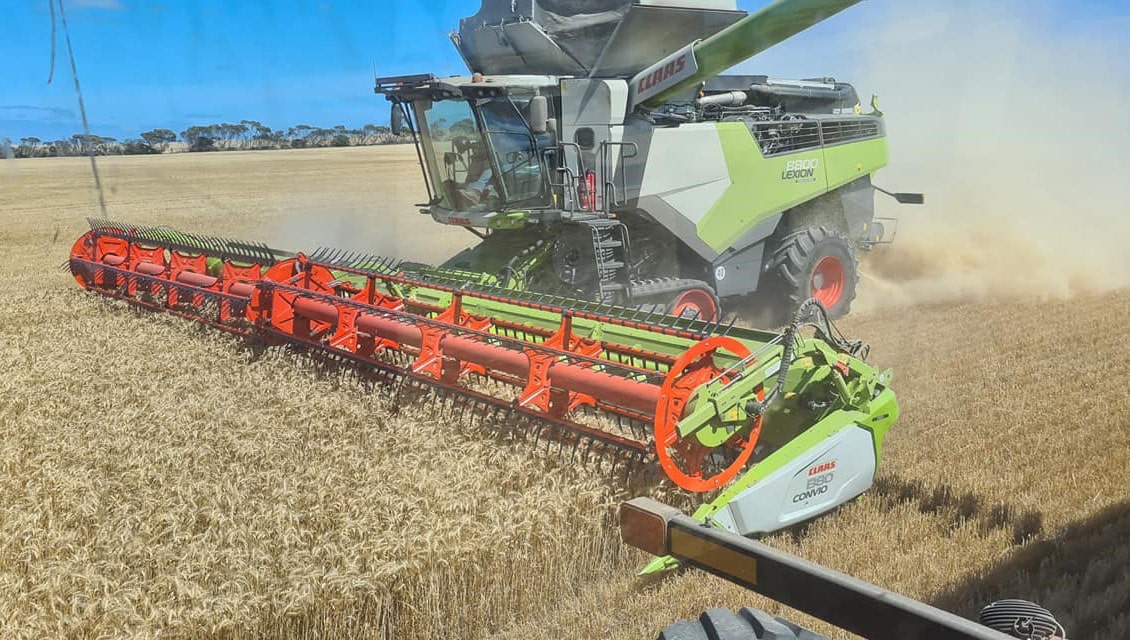
There are many examples of what I would call dogged persistence in farming. There are those that seek innovation in machinery design, and I am sure have many failed attempts before success is finally achieved.
Crop varieties are another example of continuous improvement across many years. The newer crop varieties are quite amazing.
As the cost of production increases, farmers need to seek out efficiencies and improvement from wherever they can. The improvement in varietal choice plays a big part in efficiency gains.
I admire those with clear long-term vision, who seemingly can envisage in their mind’s eye exactly what they are trying to achieve. I view this as classic right brain thinking.
I think most people tend to stick to the evidence directly in front of them, which usually means they can’t see the big picture.
Another area where big picture thinking is particularly useful is agri politics.
This topic is front of mind for me personally, as we recently lost a prominent member of the South Australian grains sector far too soon.
I was privileged to know him – personally and professionally – and I admired him greatly.
I didn’t know him during his agri politics days, but since his passing, I have come to understand the profound impact he had in this area.
Big picture thinking is also demonstrated by applying governance principles from industry boards down to farming business, in the way of management and advisory boards.
Many people in agriculture have a long-term vision of what they are trying to achieve.
Agriculture generally, has gone ahead in leaps and bounds in the past 20 years, and really has been in a constant state of innovation and improvement for generations.
There are plenty of younger people now involved in agriculture, who I am certain will maintain the trajectory of the agricultural sector, and keep it at the forefront of transformation.
Improvement through persistence is here to stay.






Leave a Reply