
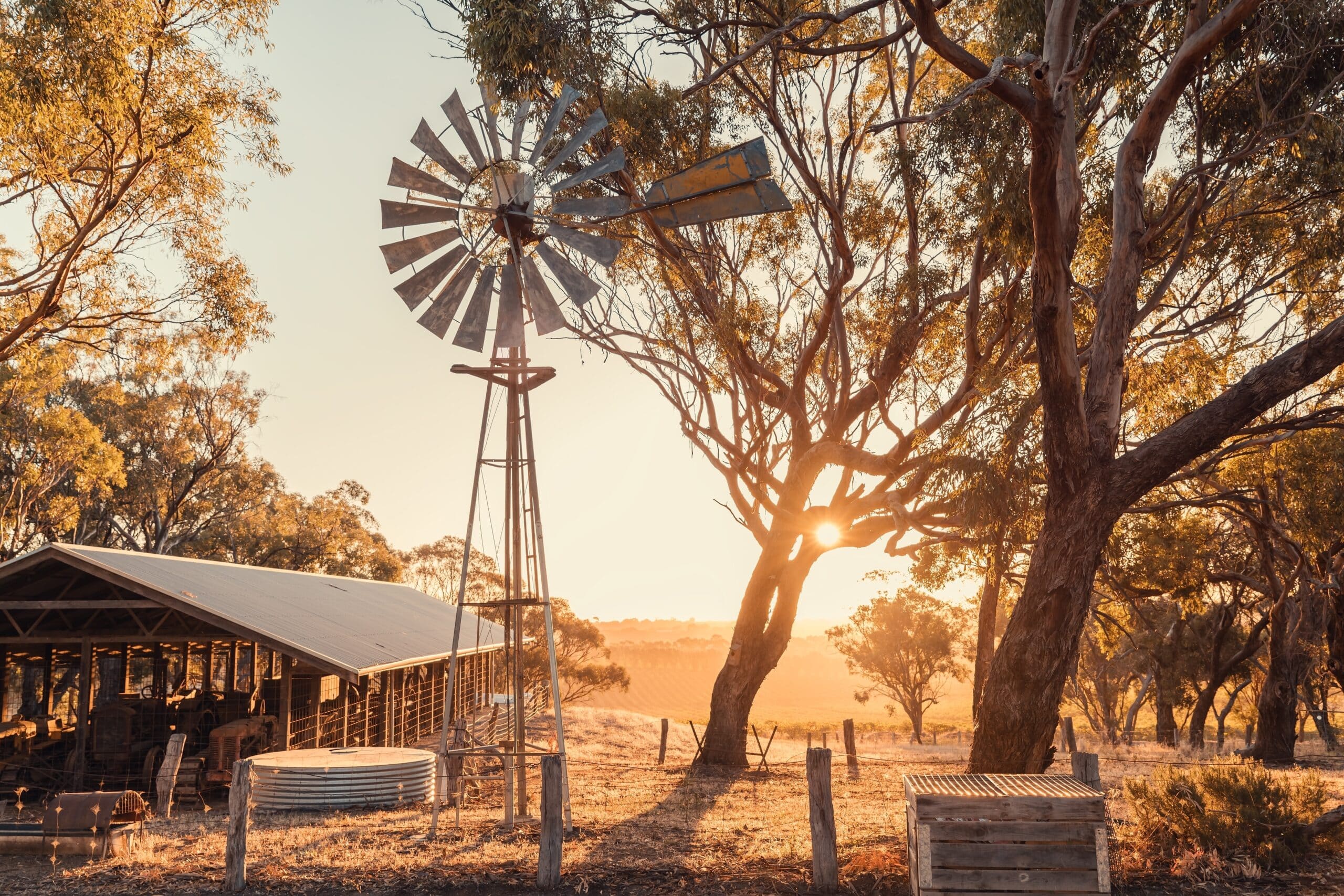
Water is a scarce resource. For the market to be efficient there has to be a nexus between the water allocations and the food and fibre produced. One way to do this is to connect the lessor of the water and lessee of the same resource.
Duxton Water is the largest listed water entitlement owner in Australia and is an active participant in the water market.
Most of Duxton’s shareholders are mum and dad type of investors, looking for a stable asset to invest in. Water is a defensive asset, and in some ways is a natural inflation hedge.
I’m always interested in the back story of how any business started, whether it be big or small, as there’s always a few twists and turns along the way.
In this case, Duxton’s initial interest was piqued by the ability to purchase a large-scale vineyard in NSW. As it turned out the property had a large water holding attached to it.
This allocation was too large to be efficiently used on that particular property, and the idea was born to separate out the water into a stand-alone asset holding entity – Duxton Water.
Duxton identified quite early the water trading market would mature in time, with willing sellers, buyers and lessees in the various regions.
Duxton is also a large user of water in its other agricultural projects that span several agricultural industries including vineyards, dried fruits, apples, tree nuts, dairy and broadacre farming.
There are benefits for the lessees of the water as well as the lessor.
While I only have a rudimentary knowledge of the various types of water allocations, it does make sense for lessees to be able to lease or own water, using a mix, that gives them maximum flexibility in the longer term.
As we all know, river flows – and therefore allocations – can vary over time.
One major benefit for the lessee of not owning all of its water, is the efficient allocation of capital. For most farming businesses, capital is a finite resource and needs to be utilised to get the best return for the business overall.
In some cases, not tying up capital may allow the business to grow faster and invest elsewhere in the operation.
The average farmer leases approximately 200 – 500 megalitres at a time, with larger corporations seeking demand well in excess of this. The lease terms vary and are all done by negotiation.
The price paid for the leased water is a combination of the prevailing market price, and the length of the lease.
There are a wide range of water brokers Duxton deals with, and there is a lot of communication between both parties almost on a daily basis. Transparency and communication is key for all parties to forge long lasting connections.
Duxton can see benefits in longer-term lease agreements, anywhere up to 10 years.
With permanent plantings being long-term in nature, it does make sense to have more certainty for a crucial crop input such as water.
There may be tax advantages of leasing water, instead of ownership, in relation to operating expenses versus capital expenditures.
As this market matures, there will be other innovations that come into the marketplace. These will need to benefit all parties to be sustainable in the long run.
From the lessee’s perspective I see this as much like leasing cropping land. Both sides weigh up the risks and rewards and make their decisions based on what’s best for their business.
There are lots of uncontrollable factors in agriculture. It makes sense to minimise uncertainty where possible. Leasing of water may be one way of doing this for some producers.



Leave a Reply