
While on my recent trip with Operation Flinders, I saw first-hand what happens when young people make an individual choice to have a different outlook on their circumstance. As a result, they experience extraordinary growth, not only individually but as a collective.
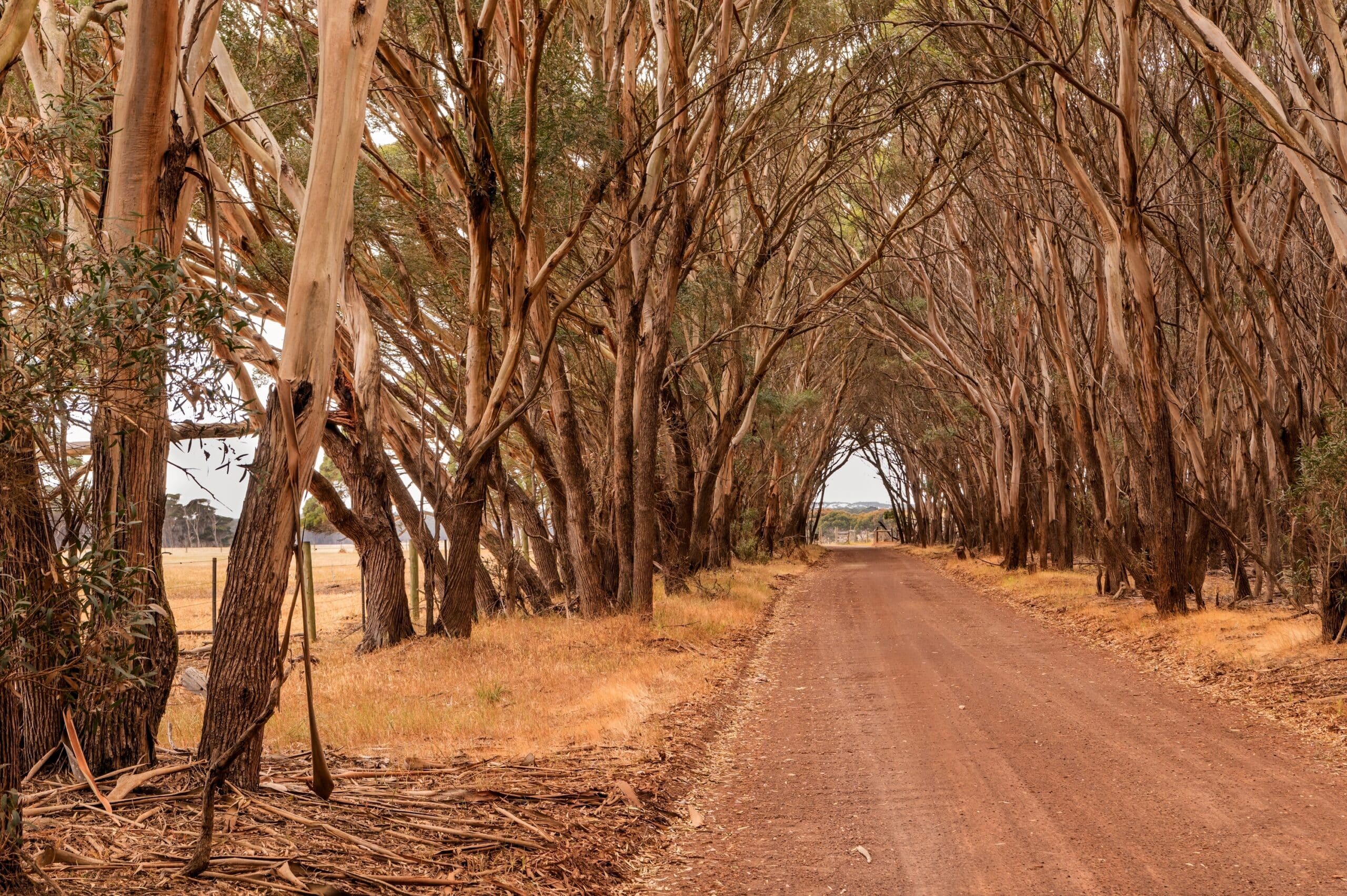
The Operation Flinders eight-day hike is purposely designed to test individuals – physically and mentally. We walk in rugged terrain, carrying a backpack containing all our clothes, bedding and other items for the week. The pack itself takes a few days to get used to.
This was my fifth trip and the trials and tribulations of the participants were evident, as they are on every exercise.
Comments such as “I don’t want to be here”, “I want to go home”, “you can’t make me walk” are commonplace. These types of utterances are exacerbated by the inevitable blisters and general soreness that is part and parcel of these trips.
It usually takes three or four days before the participants hit their stride. Some get there sooner than others.
As a leadership team, all we can do is be there to support them as best we can.
We also have to keep the team on track and safe, and sometimes this means making decisions the participants don’t like.
One thing I have learnt throughout the journey of Operation Flinders exercises is not to judge the participants’ reaction to certain events that happen out in the field by our standards.
We don’t know what other people have gone through and what underlying trauma they may be dealing with.
In any stressful situation – whether it be on an Operation Flinders exercise, a farm or anywhere else – it does take a certain amount of restraint not to react immediately to someone else’s outburst.
It’s normally best to give the other person the opportunity to say what they need to say. Once you know their concerns, there normally is a way forward.
Of course, bad behaviour should be called out. But a response delivered with a sense of calm and compassion will normally get a better outcome. Quite often, people just want to be heard.
If people feel as if they are being listened to, they may make a conscious decision to change their behaviour.
I saw a stark example of this on the recent Operation Flinders exercise.
The entire team at differing stages made an internal commitment to push through the pain and, as a result, they achieved so much more than they thought they were capable of.
As part of the leadership team on the trek, it was most gratifying to watch these young people – with our support – make their own definitive choice to make change.
We can all make our own choices. If it’s the individual that consciously chooses a different way of doing things, then they are much more likely to continue with the changed behaviour.







Leave a Reply