
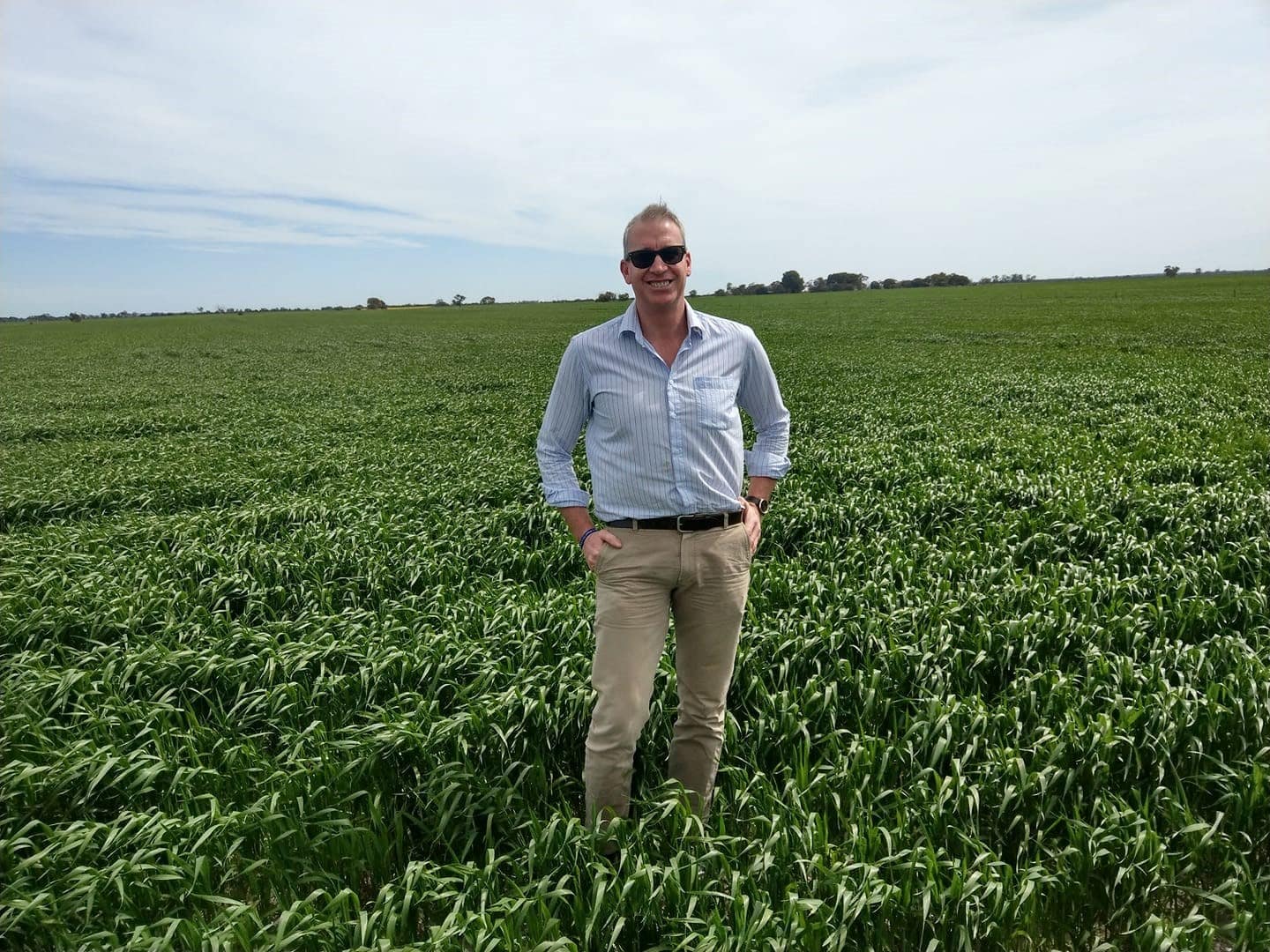
Operation Flinders is an amazing organisation that does a great job assisting young people.
I am fortunate to play a small part as a field volunteer.
I was up on exercise recently at Yankaninna Station in the Northern Flinders Ranges.
We are out in the field for eight days, and then the leadership team walks back into base after the participants have boarded their bus for the trip home.
When we get back into base, we are treated to a cooked breakfast and our first shower for a week.
One of the first jobs is to clean and pack away all the participants’ gear.
All teams automatically help each other with the pack down, ready for the next exercise.
No one complains about helping other teams; it is how the volunteers do things.
This speaks volumes about the culture within the organisation.
No one gets in each other’s way; there is a simple procedure in place that ensures we pack gear away locker by locker and complete the job properly and quickly.
The other striking feature of the clean-up and packing away is the military efficiency with which it is done.
This is because there is a military and SAPOL influence throughout the volunteer cohort, and this permeates into the various systems.
As someone who does not come from this background, I am constantly in awe of the simplicity of some of these procedures and how efficient they are.
An army runs on its logistics, and so does Operation Flinders.
Simple systems are transferable into farming operations.
I have seen many high-performing agribusinesses over the years that have simple procedures in their business that are easily understood and replicable.
The key to having these procedures in place is to have the culture within the business to adhere to the system; this applies especially to the business owners.
People are generally not predisposed to following systems if those at the top are not leading by example.
As the saying goes, the fish rots from the head down.
Some of the best systems are the simplest ones.
On an Operation Flinders exercise, we use radios to communicate back to base, and we need to carry spare batteries.
An example of a simple procedure is that if a battery has a rubber band around it, assume it is charged; if no rubber band, assume it is not; simple.
Other procedures I have seen work well in some farming businesses are a bit more nebulous, but everyone knows exactly what they mean.
While it is nigh on impossible to systemise everything in a farming business, there are lots of activities that can benefit from having procedures in place.
If more systems are put in place and adhered to, over time the incremental change will become quite evident.
Baby steps are a good place to start.








Leave a Reply