
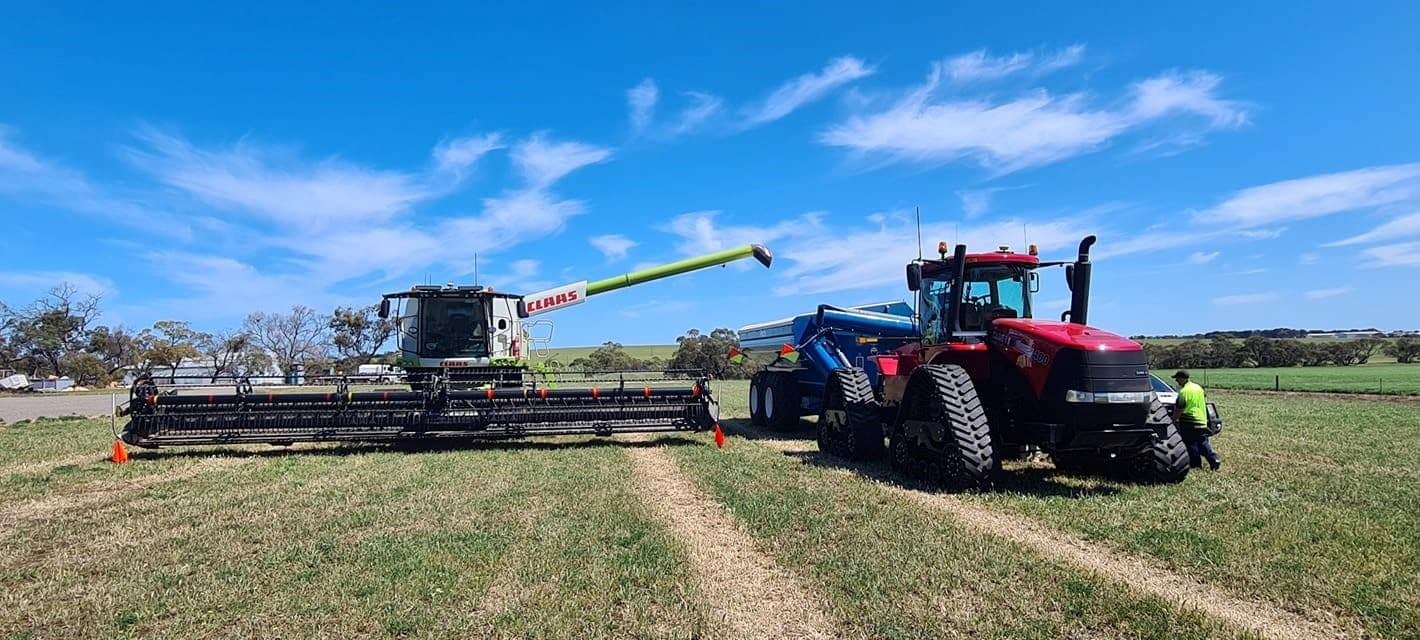
Collaborative farming takes many forms.
The boots and all method consists of tipping land and equipment in together and farming as one operation.
There are people that have quasi share-farming/collaboration arrangements, and others that syndicate machinery. The main impediment in any sharing of resources within farming businesses is usually the mindset around doing this.
Farmers have independence in their DNA and there is usually a well-worn line of reasons why sharing plant and equipment or other resources doesn’t work.
If this is the first-place agribusiness owners go with their thought process, then this is probably not for them.
It’s common for a syndication-type of scenario to stack up on paper, but that’s only the first step in the process.
There are lots of other issues to consider that may put a stop to the project before it gets off the ground. It’s vital to do this groundwork before any decisions are made.
An example that I have seen work well was the sharing of a SP sprayer between a few farming businesses. The same principles apply to most machinery.
I was fortunate to have been involved in the process, and it was professionally managed all the way, mainly because of the maturity and professionalism of the respective business owners.
After a period of years, one party exited as the capacity of machine had been reached.
The exit was handled very well, as the rules had been agreed upfront and everyone knew the process.
There are many ways to set-up an agreement, – some are verbal arrangements, others are documented and more extensive.
Given the value of the capital investment and the crucial nature of the operation to a farming business, in my view the proper documentation path is recommended.
In this instance, a new entity was formed that separated the joint venture from existing farming operations.
A separate bank account was opened, which was used only for the express purpose of the new arrangement.
The entity that was set-up charged the individual farming businesses for work performed on a hectare basis.
A user pays system.
A machine operator was employed on a commercial basis to undertake operations and maintain the machine. This worked for the operator as well, as they had a high level of autonomy within agreed limits.
One of the objections that usually comes up is that everyone needs the machine at the same time.
In this case, it was agreed that communication was key and there may be a bit of give and take. Also, an independent person could make the call if required.
Ultimately, this syndication worked well for all parties. It meant no business was overcapitalised.
And all the businesses could get on with core operations without distraction.
In the final wash-up, I implore that having an open mind from the beginning is the key to success in any sharing of farm resources.








Leave a Reply